August 16, 2026

Stopping Hearing Aid Whistling: Causes, Solutions, and Clinical Care

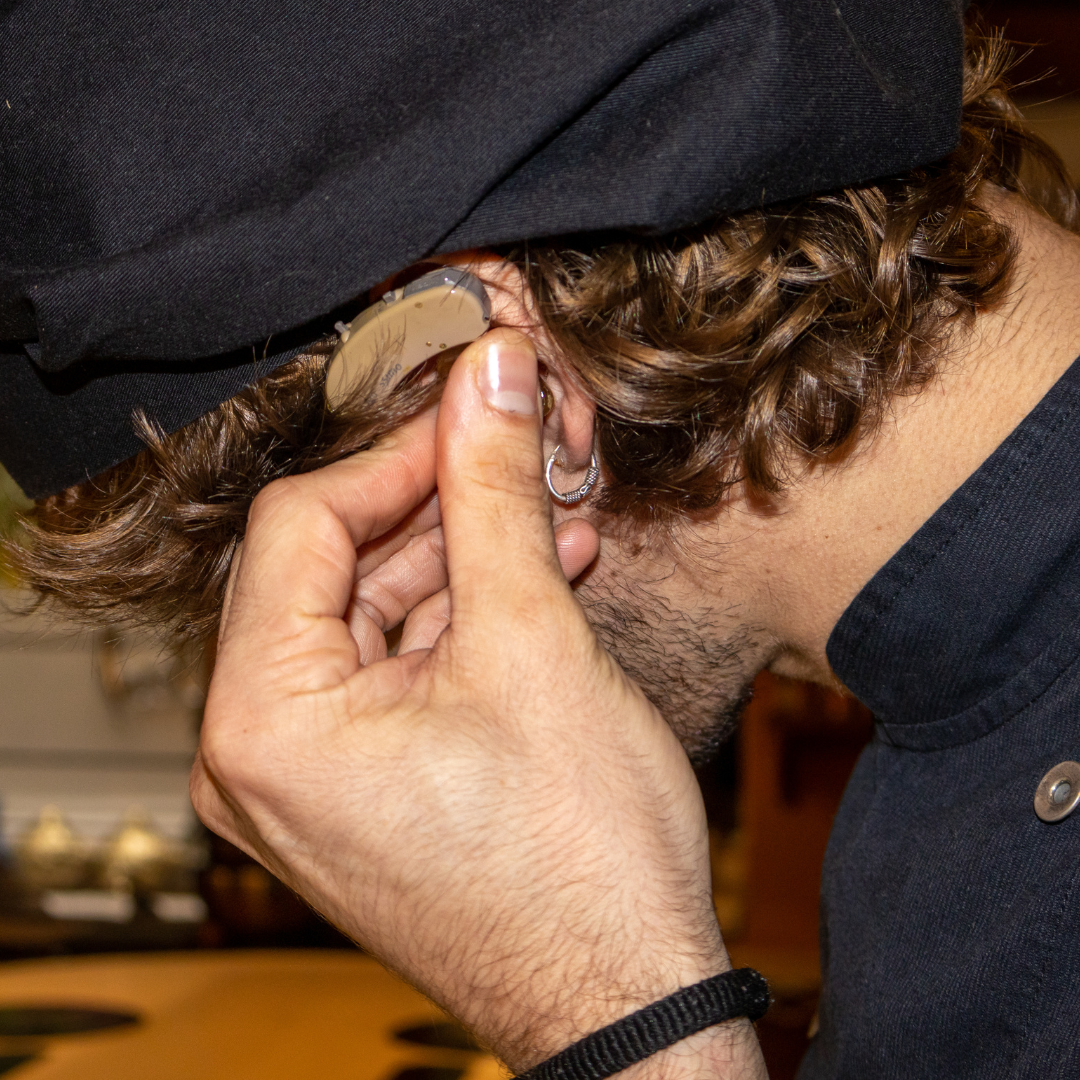
Sharp whistling sounds produced by a hearing aid often occur unexpectedly, creating profound frustration and distraction when ignored. Our audiology providers can pinpoint whether the feedback sound results from earmold sizing, impacted earwax, volume settings, worn-out parts, or an internal malfunction. Learn what causes feedback and which checks are safe at home that can help

Why Is Hearing in Loud Dining Rooms Hard? Evidence-Based Tips

Group discussions in restaurants often become difficult to comprehend when room acoustics compete with your focus and hearing. Our audiology clinic conducts specialized testing to evaluate hearing in both quiet sound booths and noisy simulations to isolate the underlying cause. After uncovering the precise factors driving your difficult hearing, our team helps you select individualized

What Causes Dizziness When Lying Down? Explaining BPPV

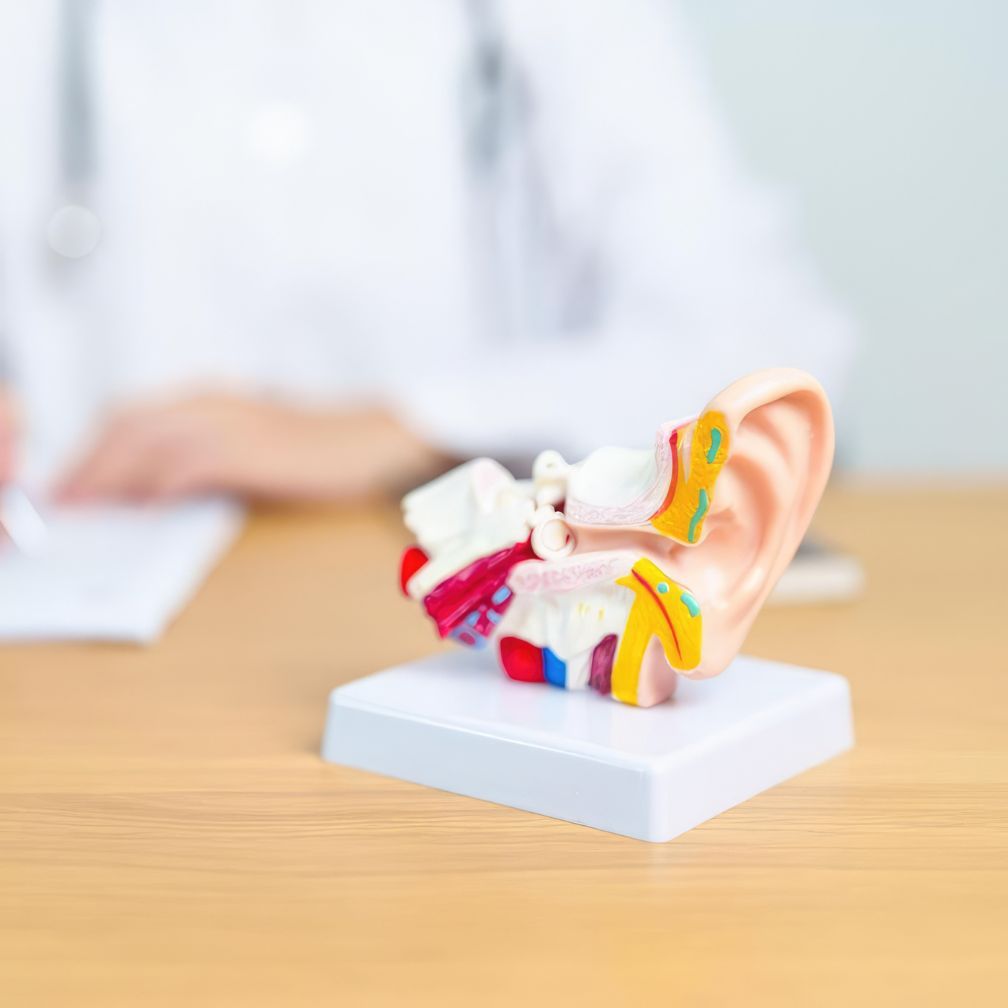
Enduring sudden room-spinning sensations when reclining, rolling over, or sitting up can trigger anxiety, especially if the episode starts abruptly. Our specialists conduct thorough dizziness and equilibrium evaluations to diagnose benign paroxysmal positional vertigo (BPPV) and related inner ear disorders. Through targeted clinical care, we guide individuals through the mechanics of BPPV and outline evidence-based

What Is Driving Headaches From Your Hearing Aids?

Specialized hearing aids are designed to help address your specific auditory deficit. Even if you are adapting to new hearing aids or have used them for many seasons, when your hearing aids trigger headaches or physical pain, targeted solutions are accessible. A fully optimized hearing aid fits effortlessly inside your ear and delivers the exact

Understanding Post-Cold Ear Congestion: Causes and Relief Strategies

The average adult gets 2-3 colds each year, making it one of the most common illnesses. Despite their frequency, colds can still leave you feeling miserable with symptoms like fevers, sore throats, runny noses, sneezing, and coughing. But one symptom that often goes unnoticed is ear congestion. Physiological Explanations for Post-Viral Ear Congestion Blocked ears

Anatomy and Perception: Examining the Direct Impact of Ear Shape on Hearing

It is a well-documented biological fact that dogs with long, floppy ears do not capture directional sound waves as efficiently as pointed-ear breeds. Most people find it natural that domestic cats, dogs, and hamsters possess specialized muscular control to shift their ear orientation, boosting signal tracking from all directions. However, these domesticated animals are far

Unexplained Static or Whooshing? What That Internal Noise Is Trying to Tell You

Have you noticed an unusual auditory sensation that mimics baseline white noise or a steady breeze in your ears? Why is this disruptive acoustic phenomenon completely silent to everyone else? It’s not your imagination. Fortunately, your symptoms do not point to “phantom ring syndrome,” a psychological habit among heavy smartphone users who mistakenly believe their

Why Is My Tinnitus Louder at Night?

When a grueling day finally concludes, your entire focus shifts toward achieving a restorative night’s rest. As you lay your head on the pillow and your surroundings go completely still, that familiar aural ringing instantly becomes impossible to tune out. If you perceive your ear ringing to be significantly more intense during late hours, your

Why Today’s Hearing Technology Bears No Resemblance to Older Models

Many people delay getting hearing aids because they don’t think they’ll like how they look or feel. Such reluctance is perfectly natural when you consider past technology! In various scenarios, patients expressed fear that wearing an obvious device would cause peers to omit them from casual conversations due to perceived listening limitations. For many people,

How to Pay for Hearing Aids: HSA, FSA, Insurance & Financing Options

For individuals evaluating advanced auditory technology, the upfront capital required is frequently the first noticeable factor. Depending on the technology and level of care involved, modern hearing aids can range from a few hundred dollars to several thousand. Such a capital requirement often surprises families, leading them to prematurely halt their pursuit of better auditory

Will Medicare Pay for Your Hearing Aids? The Facts Explained

Does Medicare cover hearing aids? The honest answer is: No. Original Medicare does not cover hearing aids. We know that’s not what most people want to hear, and that many patients are surprised by this. Fortunately, there’s more to the story. There are other paths (like Medicare Advantage plans, financing options, and additional benefits) that

Evaluating the Auditory Impact of Headphones and In-Ear Monitors

Rarely do we see a young adult in public without an earbud in their ears. Even with their larger footprint, headphones remain a popular choice for teenagers looking to disconnect from the world. Musical enjoyment knows no age limit, though the younger generation has integrated it more deeply into their daily transitions. Does the immediate