
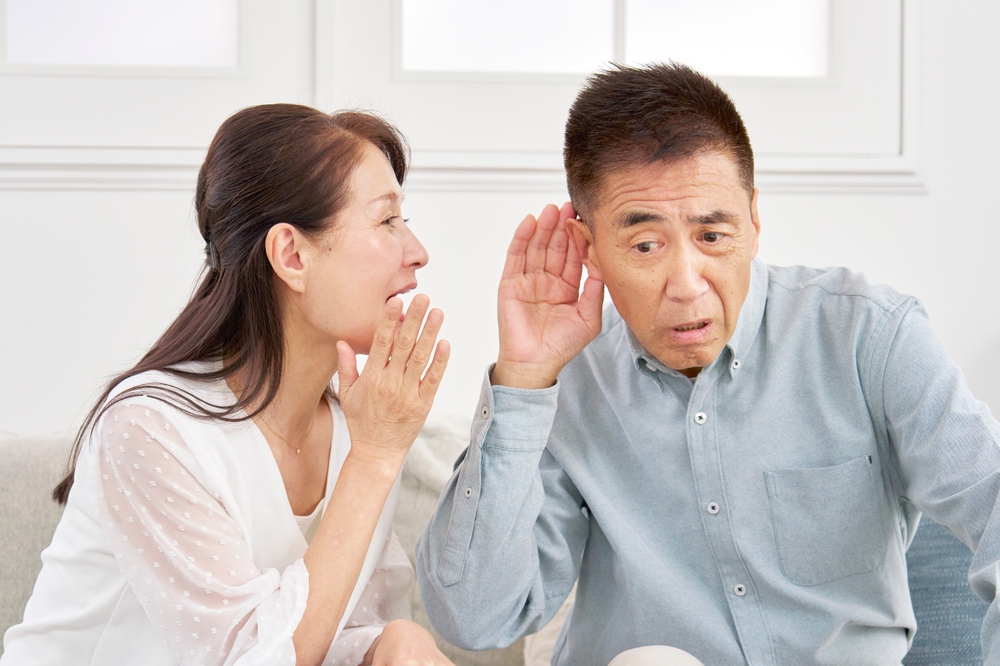
While auditory decline is statistically prevalent, pervasive misconceptions often deter individuals from pursuing clinical intervention. When managing hearing loss, timely intervention is a fundamental requirement for long-term health. Believing common hearing loss myths can delay diagnosis, impact communication, and reduce your overall quality of life.
Identifying the facts behind auditory health allows you to navigate clinical options with technical certainty. We will now examine seven prevalent auditory myths and the clinical evidence that refutes them.
Myth: Hearing Impairment is Solely a Condition of Aging
While age-related hearing changes are common, hearing loss can occur at any age. Factors such as acoustic trauma, genetic markers, ototoxic drugs, and viral infections trigger hearing issues in youth.
The “aging myth” frequently prevents young and middle-aged adults from pursuing an essential hearing test.
Myth Two: Auditory Awareness Equals Perfect Hearing
The presence of hearing loss does not always manifest as total profound deafness. Patients with mid-range impairment often perceive environmental noise while losing the ability to decode complex speech. A broad range of auditory dysfunctions exists between asymptomatic hearing and complete deafness.
Signs of decline often involve poor speech-in-noise recognition and significant mental strain after talking with others. These markers represent initial auditory shifts that warrant a professional evaluation.
Myth: Auditory Decline is a Low-Stakes Issue
Ignoring hearing loss creates systemic health risks that impact the entire neurological system. Evidence-based research correlates auditory neglect with social anxiety, mental fatigue, and depressive symptoms.
Managing your hearing health is a critical step in preserving your holistic quality of life.
4. Myth: Hearing Aids Make Your Hearing Worse
The assumption that amplification leads to “lazy ears” is contradicted by modern audiological science.
Hearing aids do not damage your ears. Modern tech calibrates sound output to match the specific “gaps” found in your clinical hearing test. Consistent use of hearing aids maintains the neural pathways required for clear sound interpretation.
Modern Hearing Aids: Invisible and Powerful
Recent innovations in hearing science have prioritized both power and miniaturization. Modern hardware has reached a peak of efficiency, offering discrete aesthetics with high-fidelity sound. Patients can now choose custom-molded options that sit deep within the ear canal for total discretion.
In addition to their size, modern hearing aids often include beneficial features like background noise reduction, Bluetooth connectivity, and automatic sound adjustments.
Why Even Mild Hearing Impairment Requires Attention
A “mild” diagnosis still carries the risk of social isolation and increased mental effort. Prompt intervention mitigates listening fatigue by making sound processing effortless for the neurological system.
Patients who pursue early help experience a much smoother transition to using hearing technology.
Myth: One-Size-Fits-All Hearing Solutions Work for Everyone
Generic OTC amplifiers lack the sophisticated frequency shaping required for complex hearing loss profiles. A clinical hearing test allows an expert to program a solution specific to your biological requirements.
Custom-fit solutions provide a level of acoustic fidelity that generic devices simply cannot match.
Taking Control: Overcoming Misinformation for Better Hearing
Auditory shifts can be daunting, leading many to avoid the clinic through a “denial” response. Accepting myths as truth leads to a longer road to recovery and more significant brain strain. A professional assessment is an easy, stress-free way to gain total clarity on your ear health.
If your ears feel “different,” scheduling a formal evaluation is the responsible next step for your health. Early intervention can improve not only communication, but also overall quality of life.
For more information or to book your next hearing test, please contact our clinic today. Contact our office today to schedule your personalized hearing consultation.